
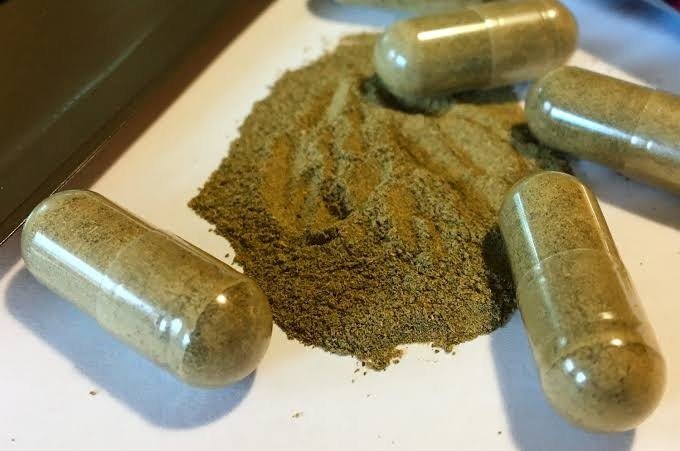
If you search for kratom near me, you may find online listings, specialty stores, and other retailers that mention kratom products. However, finding a product locally does not automatically mean that it is legal, safe, or approved for medical use. Before considering kratom, it is important to understand local rules, product labeling, and potential health risks.
Kratom comes from the leaves of Mitragyna speciosa, a tropical tree native to Southeast Asia. Its leaves contain several alkaloids, including mitragynine and 7-hydroxymitragynine (7-OH). These compounds can affect opioid receptors in the brain.
What Is Kratom?
Kratom is a botanical substance traditionally used in parts of Southeast Asia. Today, products may be sold in forms such as powdered leaves, capsules, extracts, and liquids.
People use kratom for different reasons, including attempts to manage discomfort, increase energy, or deal with opioid withdrawal. However, scientific evidence about its effectiveness remains limited. The National Center for Complementary and Integrative Health states that kratom has not been shown to be safe and effective for any medical use.
This is why consumers should be careful when they see products marketed with strong health or treatment claims.
What Does “Kratom Near Me” Mean?
The phrase “kratom near me” usually refers to finding kratom-related retailers or information in your local area. Search results can vary greatly depending on your location.
A nearby retailer may not necessarily specialize in kratom, and product availability can change frequently. More importantly, local availability should not be treated as proof that a product is legally approved or medically recommended.
Before considering any product, check the regulations that apply in your state, province, or country. Laws can differ between jurisdictions, and some locations have restrictions or prohibitions involving kratom.
Check Local Laws First
Kratom’s legal status is not the same everywhere. In the United States, kratom is not listed as a federally scheduled controlled substance, but some states and local jurisdictions have their own restrictions.
Federal regulatory developments are also important. In 2026, U.S. authorities have taken steps concerning concentrated 7-OH and certain synthetic kratom-related compounds. These actions specifically focus on more potent products and should not be confused with ordinary natural kratom leaf.
Always check current official government information for your specific location before purchasing or using a kratom product.
Why Product Quality Matters
Not every kratom product has the same composition or quality. Some products may contain extracts or concentrated ingredients that differ substantially from natural leaf material.
The FDA has reported concerns involving kratom products contaminated with harmful substances, including heavy metals and bacteria.
Consumers should therefore pay attention to clear labeling, ingredient information, manufacturer details, and independent quality testing where available.
Avoid assuming that a product is safe simply because it is labeled “natural.” Natural substances can still produce significant effects and unwanted reactions.
Potential Risks of Kratom
Kratom can cause side effects. Reported effects include nausea, constipation, dizziness, and drowsiness. More serious problems, including seizures, high blood pressure, and liver problems, have also been reported. Regular use may also lead to dependence and withdrawal symptoms.
The FDA has specifically warned consumers about serious adverse events associated with kratom, including liver toxicity, seizures, and substance use disorder.
Kratom may also interact with other substances or medications. Anyone taking prescription medicines or managing a health condition should discuss potential risks with a qualified healthcare professional rather than relying on online product descriptions.
Be Careful With Enhanced 7-OH Products
One important distinction is between natural kratom leaf and products containing enhanced levels of 7-hydroxymitragynine.
The FDA has warned that concentrated 7-OH products can pose serious risks and has advised consumers to avoid products containing enhanced levels of 7-OH.
Therefore, people searching for kratom should read ingredient labels carefully and avoid assuming that every product marketed as “kratom” has the same potency or risk profile.
What to Consider Before Buying
If you are researching kratom near me, consider these basic questions first:
- Is kratom legal where you live?
- Does the product have clear ingredient labeling?
- Does the manufacturer provide reliable testing information?
- Does the product contain concentrated 7-OH?
- Are there warnings about interactions or side effects?
- Are health or treatment claims being made without strong scientific evidence?
These questions can help consumers distinguish between basic information and potentially misleading marketing.
Final Thoughts
Searching for kratom near me can quickly produce many results, but availability should not be confused with safety or medical approval. Kratom remains an area where scientific research is developing, while regulators continue to address concerns surrounding concentrated and enhanced products.
If you are considering kratom, research the laws in your area, examine product labeling carefully, and understand the potential risks. For medical concerns, opioid withdrawal, medication interactions, or ongoing symptoms, speak with a qualified healthcare professional instead of using kratom as a substitute for approved treatment.
Being informed is especially important because kratom products can vary considerably in composition and strength. Reliable kratom safety information can help you make a more cautious and informed decision.


Leave a Reply